
Key takeaways
- Body: Medium-bodied wine is the safest choice. It has enough flavor to remain noticeable after dilution, but it will not make the drink feel syrupy or alcoholic.
- Sweetness: Choose dry to off-dry wine and add sweetness yourself. This gives you control over the final balance. A very sweet red can become cloying once orange juice, honey, or sugar is added.
- Acidity: Moderate acidity keeps mulled wine from tasting flat. Wines from cooler areas or grapes naturally known for freshness generally work better than soft, low-acid reds.
- Tannins and oak: Low to moderate tannin is preferable. Heavy tannin can taste bitter when combined with cloves and citrus peel, while strong new oak can compete with the spice blend.
Best Wine for Mulled Wine: Bottles That Spice Well
The best wine for mulled wine is a fruity, medium-bodied red with moderate acidity, restrained tannins, and enough residual fruit to balance warming spices—usually an inexpensive Merlot, Spanish Garnacha, Australian Shiraz, Argentine Malbec, or Rioja Crianza in the general $8–$18 range.
Mulled wine is not the place to showcase a rare bottle. Cinnamon, cloves, orange, star anise, and sugar change the wine’s balance, while extended heating can flatten delicate aromas. The most successful bottle is therefore one with generous fruit, modest oak, and a clean finish that can support spices without making the finished drink taste harsh or heavy.
Our top picks

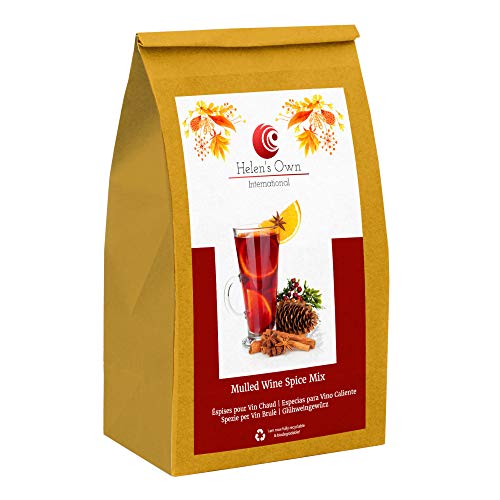


As an Amazon Associate we earn from qualifying purchases at no extra cost to you. Ratings are shown as listed on Amazon.
What to Look for on the Label
Use these four criteria when comparing bottles:
- Body: Medium-bodied wine is the safest choice. It has enough flavor to remain noticeable after dilution, but it will not make the drink feel syrupy or alcoholic.
- Sweetness: Choose dry to off-dry wine and add sweetness yourself. This gives you control over the final balance. A very sweet red can become cloying once orange juice, honey, or sugar is added.
- Acidity: Moderate acidity keeps mulled wine from tasting flat. Wines from cooler areas or grapes naturally known for freshness generally work better than soft, low-acid reds.
- Tannins and oak: Low to moderate tannin is preferable. Heavy tannin can taste bitter when combined with cloves and citrus peel, while strong new oak can compete with the spice blend.
| Wine style | Typical body | Acidity | Tannin | Sweetness before additions | Typical price range | Best use |
|---|---|---|---|---|---|---|
| Merlot | Medium | Moderate | Low–moderate | Dry, fruit-forward | $8–$16 | Most versatile choice |
| Garnacha | Medium-full | Moderate-low | Low–moderate | Dry, ripe fruit | $9–$18 | Rich, orange-heavy recipes |
| Shiraz | Medium-full | Moderate | Moderate | Dry, blackberry-led | $10–$20 | Bold spice blends |
| Malbec | Medium-full | Moderate | Moderate | Dry, dark-fruited | $10–$20 | Deep, less-sweet mulled wine |
| Rioja Crianza | Medium | Moderate-high | Moderate | Dry, red-fruited | $12–$25 | Balanced, oak-spiced versions |
Best Choices by Situation
Best overall: fruity Merlot
Merlot is the easiest recommendation for most households. Its plum and berry flavors usually remain recognizable after heating, and its softer tannins are less likely to turn bitter with cinnamon and cloves. Look for a bottle described as fruit-forward, unoaked, or lightly oaked. Avoid heavily extracted, high-alcohol examples if you plan to add brandy or another spirit.
Merlot also gives you flexibility. It works with a classic combination of orange, cinnamon, and clove, but it is gentle enough for apple, pear, vanilla, or cardamom. For a 750 ml bottle, use approximately 2–4 tablespoons of sugar or honey to begin, then adjust after the spices have infused.
Best for a rich, fruit-forward batch: Garnacha
Garnacha, also called Grenache in many regions, brings ripe raspberry, cherry, and blackberry character with relatively soft tannins. It is a good match for recipes containing orange juice, cranberry, dried fruit, or a larger quantity of cinnamon. Because it is often naturally plush and warm, start with less added sugar than you would use with a sharper red.
Choose a straightforward Spanish Garnacha rather than a costly, highly structured old-vine bottling. The extra complexity is largely hidden by the spice mixture, so the value is usually better in the affordable range.
Best for bold spices: Shiraz
Shiraz can stand up to star anise, black pepper, ginger, and a small amount of chili. Its blackberry and plum flavors make a darker, more intense style of mulled wine. Select a medium-bodied Australian Shiraz or another soft, fruit-led version rather than a highly oaked or very high-alcohol bottle.
Shiraz needs careful heating. Over-reducing it concentrates alcohol, tannin, and oak, which can make the result taste hot. Keep the finished drink warm but never boiling, and avoid adding a large quantity of brandy unless the wine is relatively light.
Best for a dry, dark-fruited drink: Malbec
Malbec is useful when you prefer mulled wine that is not dessert-sweet. Its blackberry, plum, and cocoa-like notes pair with cinnamon and vanilla, while its moderate tannin gives the drink a firmer finish. It is especially suitable for a recipe using lemon peel instead of orange juice, since the citrus can add needed lift.
Some Malbecs have noticeable oak. That is not automatically a problem, but avoid bottles dominated by toasted wood, smoke, or astringency. Those traits can become more prominent when the wine is warmed.
Best for balance and complexity: Rioja Crianza
Rioja Crianza offers red-fruit acidity and measured oak, often with hints of vanilla or baking spice already present in the wine. It can produce a more structured, less fruit-punch-like result than Merlot or Garnacha. This is a good choice when guests prefer a moderately dry drink and you want the wine itself to remain noticeable.
Do not assume that a more expensive Rioja is automatically better for mulling. Reserva and Gran Reserva wines can be excellent, but their additional oak and age-derived flavors are not always worth paying for when cloves and citrus are involved.
Decision Matrix: Which Bottle Should You Buy?
| Your situation | Best style | Target bottle price | Why it fits |
|---|---|---|---|
| First batch or uncertain preferences | Fruity Merlot | $8–$16 | Soft, adaptable, and easy to sweeten |
| Large party of 8–12 people | Merlot or Garnacha | $8–$14 per bottle | Reliable flavor without wasting money on subtlety |
| Dry, less-sweet preference | Malbec or Rioja Crianza | $12–$20 | More structure and acidity after dilution |
| Strong spices and dark flavors | Shiraz | $10–$18 | Bold fruit remains present under anise and ginger |
| Light, citrus-led recipe | Cooler-climate Merlot or Rioja | $10–$20 | Freshness prevents a flat finish |
| Premium occasion | Well-balanced Rioja Crianza | $18–$25 | Adds complexity without requiring a luxury bottle |
How Much Wine Do You Need?
A standard 750 ml bottle produces about five servings if you pour 150 ml each. After adding roughly 150–250 ml of orange juice, water, or another mixer, the batch yields approximately 900–1,000 ml, or six small servings of 150–165 ml.
For a gathering of 10 people, two bottles provide about 1.8–2 liters before serving losses. At a bottle price of $12, the wine cost is $24 total, or about $2.40 per guest before fruit, spices, and optional spirits. Buying an $8–$12 bottle instead of a $25 bottle saves $26–$34 across two bottles, with little practical benefit lost when the drink contains several strong spices.
Styles to Avoid
- Very tannic Cabernet Sauvignon: It can become drying and bitter, especially with clove and prolonged heating.
- Delicate Pinot Noir: Its subtle floral and earthy aromas may disappear under citrus and spice, making the higher price difficult to justify.
- Heavily oaked reds: Toasted wood, vanilla, and smoke can dominate the finished drink.
- Very sweet dessert wines: The combination of existing sweetness and added sugar can quickly become syrupy.
- Cooking wine: Added salt and low-quality flavor make it unsuitable for a balanced drink.
- Highly alcoholic reds: Wines above roughly 14.5% alcohol can taste hot after warming, particularly when fortified with brandy.
Buying and Heating Tips That Protect Flavor
Read the back label for clues such as “fruit-forward,” “soft tannins,” or “lightly oaked.” If choosing between two similar bottles, favor the one with a listed alcohol level around 12.5%–14% and a vintage that is readily available at a moderate price. A freshly opened bottle is not required, but avoid wine that smells vinegary, musty, or sharply oxidized before adding anything.
Combine the wine with citrus peel, spices, and a small amount of sweetener in a saucepan. Warm it over low heat to approximately 65–75°C (149–167°F), then hold it below a simmer for 20–30 minutes. Boiling drives off alcohol and can concentrate bitterness. Taste after 15 minutes: remove cloves or star anise if they are becoming dominant, and add sugar gradually rather than correcting an overly sweet batch with more wine.
For the best value, buy one affordable bottle of Merlot or Garnacha for your first attempt. Move to Rioja Crianza or Malbec when you know whether you prefer a brighter, drier, or more structured result. The bottle matters, but the biggest improvements usually come from moderate heat, controlled sweetness, and removing whole spices before they overwhelm the wine.





Write Your Review
No reviews yet. Be the first to share your experience!