
Key takeaways
- Best Overall: Cottonelle Ultra Clean, 24 Family Mega Rolls
- Best for Septic and Older Plumbing: Scott Rapid-Dissolving, double rolls
- Best Value Septic-Safe: Scott ComfortPlus, 12 Triple Rolls
- Best Soft 2-Ply: Charmin Ultra Soft, 12 Mega Rolls
- Best Plush 3-Ply: Quilted Northern Ultra Plush, 24 Mega Rolls
- Best Budget Everyday: Angel Soft, 18 Mega Rolls
- Best Long-Lasting Roll: Scott 1000 Trusted Clean, 32 Rolls
Finding the best toilet paper that doesn’t leave lint is harder than it sounds, because no major brand publishes a lint rating and the independent reviews we found did not run a direct lint comparison. What we can do is narrow the field using the things that are stated: ply, sheet strength, fiber content, sheet count, and septic-safe or rapid-dissolving claims. Our top pick is Cottonelle Ultra Clean (24 Family Mega Rolls) because it is described as thick and strong with a textured surface, which is the profile least likely to shred into bits, with Scott Rapid-Dissolving as the runner-up for people who prioritize quick breakdown and plumbing safety. This guide is research-based: we did not personally use these rolls, and we flag every detail the listings do not state as not listed. If lint is your main complaint, the buying guide below also explains what to look for and how to test a roll yourself in a few days.
Our top picks


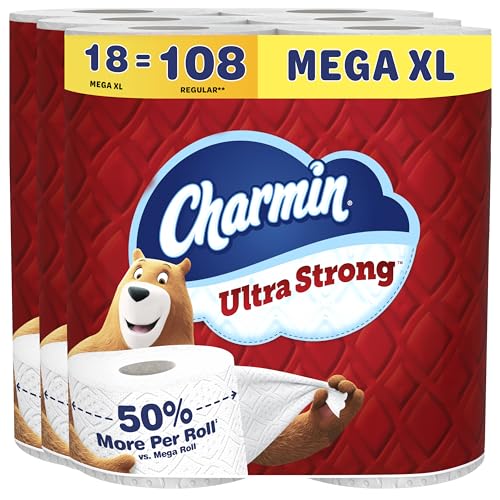
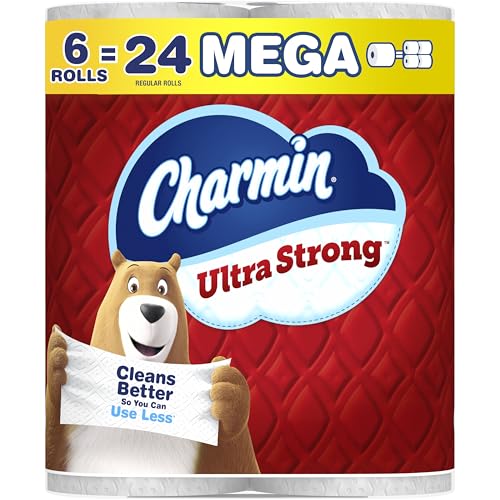
As an Amazon Associate we earn from qualifying purchases at no extra cost to you.
Top Picks at a Glance
- Best Overall: Cottonelle Ultra Clean, 24 Family Mega Rolls
- Best for Septic and Older Plumbing: Scott Rapid-Dissolving, double rolls
- Best Value Septic-Safe: Scott ComfortPlus, 12 Triple Rolls
- Best Soft 2-Ply: Charmin Ultra Soft, 12 Mega Rolls
- Best Plush 3-Ply: Quilted Northern Ultra Plush, 24 Mega Rolls
- Best Budget Everyday: Angel Soft, 18 Mega Rolls
- Best Long-Lasting Roll: Scott 1000 Trusted Clean, 32 Rolls
Lint-Conscious Toilet Paper Comparison Table
| Product | Best for | Key specs | Watch for | Price tier |
|---|---|---|---|---|
| Cottonelle Ultra Clean (24 Family Mega Rolls) | Everyday strength and texture | Plant-based fibers per maker; textured surface; septic-safe per maker | Ply listed differently by retailers | Mid-range |
| Scott Rapid-Dissolving (double rolls) | Septic tanks, RVs, older pipes | 1-ply; 231 sheets per roll on the 12-roll pack; septic-safe | Thinner feel | Budget to mid-range |
| Scott ComfortPlus (12 Triple Rolls) | Septic-safe on a budget | 1-ply; 231 sheets per roll; septic-safe | Thin sheets may need more folds | Budget |
| Charmin Ultra Soft (12 Mega Rolls) | Soft 2-ply comfort | 2-ply; 12 Mega Rolls = 48 regular | Thicker paper can clog weak plumbing | Mid-range |
| Quilted Northern Ultra Plush (24 Mega Rolls) | Cushiony 3-ply | 3-ply; 24 Mega Rolls | Heavier use of paper per wipe | Mid-range |
| Angel Soft (18 Mega Rolls) | Budget family use | 18 Mega Rolls = 72 regular; soft and strong per maker | Ply not stated in the listing we reviewed | Budget |
| Scott 1000 Trusted Clean (32 Rolls) | Fewer roll changes | 1000 sheets per roll; 32 rolls | Not a plush feel | Mid-range |
Tiers are relative and prices change often. Ply and sheet counts come from the retail listings; where they conflict across retailers we say so.
1. Cottonelle Ultra Clean (24 Family Mega Rolls): Best Overall for Low-Shed Everyday Use
- Pack: 24 Family Mega Rolls (equal to 132 regular rolls per listing)
- Fibers: 100% plant-based per maker
- Surface: textured, with the maker’s cleaning ripples
- Septic: labeled septic-safe per maker
- Ply: listed as 1-ply by most sources, 2-ply by one; check the pack
Best for: households that want a strong sheet that holds together and does not feel flimsy. Skip if: your plumbing is old or your septic system is sensitive to slow-dissolving tissue.
Lint is shed fiber, and the sheets that shed least tend to be those that are dense and bonded well. Cottonelle describes this paper as thicker and stronger than before and gives it a textured pattern, which is the kind of construction that resists shredding when wet or rubbed. We want to be clear that no source we read measured lint, so this is a reasoned recommendation rather than a proven result.
On breakdown, one septic-focused review that timed disintegration found Cottonelle Ultra Clean dissolved slower than Scott’s rapid-dissolving line. It is still labeled septic-safe, but if your plumbing is fragile you may prefer a faster-dissolving paper.
Because retailers disagree on whether it is 1-ply or 2-ply, check the pack in your hand. The 24-roll size gives a long supply for the money.
Pros
- Strong, textured sheet
- Plant-based fibers per maker
- Large pack size
- Septic-safe label
Cons
- Slower to dissolve than rapid-dissolving rivals in one review
- Ply information varies across listings
2. Scott Rapid-Dissolving Toilet Paper: Best for Septic Systems and Older Plumbing
- Ply: 1-ply
- Sheets: 231 per roll (12 double rolls)
- Claim: dissolves faster than leading premium 1-ply brands per maker (treat as a brand claim)
- Septic: septic-safe
Best for: septic tanks, RVs, boats, and homes with old pipes. Skip if: you want a thick cushioned feel.
If the real issue behind your lint complaint is slow-breaking paper that forms clumps, a rapid-dissolving 1-ply is a reasonable fix. Thin paper tends to dissolve quickly, and Scott builds this line around that. One independent timed test of a related Scott product reported much faster breakdown than Cottonelle, though the figures are not for this exact SKU.
On lint specifically, we did not find a measurement. Our reasoning is that fewer layers and a simpler sheet leave less loose material between plies, but that is an inference, not a documented result.
The compromise is comfort: 1-ply is thinner, so you may use more sheets per visit. For plumbing that clogs easily, that is often an acceptable trade.
Pros
- Fast dissolving positioning
- Septic-safe
- Often cheaper per roll in bulk
- Good for RVs and cabins
Cons
- Thin 1-ply feel
- Brand speed claims are not independently confirmed
3. Scott ComfortPlus (12 Triple Rolls): Best Value Septic-Safe
- Ply: 1-ply
- Sheets: 231 per roll
- Pack: 12 Triple Rolls
- Septic: labeled septic-safe
Best for: budget households that want a simple, septic-safe roll. Skip if: you need a soft, thick sheet.
ComfortPlus is Scott’s everyday option. The sheets are standard 1-ply, and the triple-roll format gives more sheets per roll than a standard roll. It is an affordable way to try a thin, septic-safe tissue before committing to a larger pack.
We could not find a lint claim from the maker. In a fair reading, the product’s strength is its dissolving and low cost, not a lint guarantee.
If you try it, fold the sheet rather than bunching it, which helps avoid tears and the fiber bits people often mistake for lint.
Pros
- Low cost tier
- Septic-safe
- Triple-roll length
Cons
- Thin sheets
- No lint claim from the maker
4. Charmin Ultra Soft (12 Mega Rolls): Best Soft 2-Ply
- Ply: 2-ply
- Pack: 12 Mega Rolls = 48 regular rolls per listing
- Positioning: ultra soft bath tissue
- Septic status: not listed in the title we reviewed
Best for: people who prioritize softness and a thicker sheet. Skip if: you have a septic tank or old plumbing and want a certified rapid-dissolving paper.
Charmin is a premium-feel two-ply. Thicker, multi-layer sheets can feel more substantial, but multiple layers can also separate and leave small fibers on skin or fabric for some users. The only independent lint comment we found referred to a different 2-ply product, so we cannot make a claim either way.
If you buy this, run an at-home trial: use a roll for a few days and note whether you see fuzz on clothing or skin. Many people find that heavier, embossed 2-ply rolls shed less than thin economy paper, but experiences vary.
Mega rolls reduce roll changes, though they are bulkier to store.
Pros
- Soft feel
- Thicker 2-ply sheet
- Large rolls
Cons
- Septic status not listed
- May be harder on weak plumbing
5. Quilted Northern Ultra Plush (24 Mega Rolls): Best Plush 3-Ply
- Ply: 3-ply
- Pack: 24 Mega Rolls
- Positioning: ultra plush bath tissue
- Septic status: not listed in the title we reviewed
Best for: comfort-first shoppers with modern plumbing. Skip if: you want to minimize the amount of paper you flush.
Three layers give a cushioned feel and often more tear resistance. The downside is volume: more paper per wipe means more material headed to your plumbing. Whether three plies shed more or less lint than two is not documented in the sources we reviewed.
Consider this a comfort pick. It is useful for people sensitive to rough sheets and who are not worried about septic breakdown.
As always, flush in moderation and do not use this as an excuse to use half a roll at a time.
Pros
- Plush feel
- Strong 3-ply structure
- Big pack
Cons
- Heavier on plumbing
- Lint performance not documented
6. Angel Soft (18 Mega Rolls): Best Budget Everyday
- Pack: 18 Mega Rolls = 72 regular rolls per listing
- Positioning: soft and strong
- Ply: not listed in the 18-roll title we reviewed
- Septic status: not listed
Best for: larger households on a tight budget. Skip if: you need confirmed septic safety or a plain 1-ply.
Angel Soft is a mainstream budget option with a long track record. The packaging and listing talk about softness and strength rather than lint.
If you are already using a cheap roll and see fuzz, upgrading to a better-built sheet is a more promising move than switching to another cheap one. But for the price, the pack size is hard to beat.
Verify ply and septic status on the pack before relying on this for sensitive plumbing.
Pros
- Low cost
- Large pack
- Familiar brand
Cons
- Key specs not listed
- Lint not addressed
7. Scott 1000 Trusted Clean (32 Rolls): Best Long-Lasting Roll
- Sheets: 1000 per roll
- Pack: 32 rolls
- Ply: 1-ply per the brand’s 1000-sheet positioning (verify on pack)
- Septic status: not listed in the title we reviewed
Best for: office, rental, or large-household stocking. Skip if: you want a soft, premium feel.
Rolls with 1000 sheets last a long time, so you change them less often. The Scott 1000 line is a basic, no-frills tissue, designed for thrift rather than luxury.
The long roll is great for a rental unit or guest bath. It is not a lint-focused product, and the thin paper may feel rough compared with premium rolls.
If your plumbing is sensitive, a rapid-dissolving line is a more targeted choice.
Pros
- Very long roll
- Basic and affordable
- Fewer refills
Cons
- Not plush
- Septic status not listed
Also Consider
- Caboo Tree Free Toilet Paper (24 Rolls): Made from 100% bamboo, septic safe and PFAS free per maker; a tree-free option if you want to avoid wood-pulp paper.
- Genuine Joe Standard Bath Tissue, 2-ply (96 rolls): A bulk, commercial-style option for offices and facilities.
- Tork Septic Safe Toilet Paper, 96 rolls: A commercial 2-ply roll with 500 sheets and 100% recycled content per listing.
- Scott Professional Standard Roll (80 rolls): A recycled-fiber commercial roll that fits many household dispensers.
How We Chose
We used maker pages, retail listings, and independent roundups covering septic safety and toilet paper comparisons. We did not personally use these products, and we did not run any lint trials ourselves.
The key finding is a gap: none of the sources compared lint head to head. So we ranked by indirect signals such as ply, strength claims, texture, and dissolving behavior, and we said so each time.
Prices are shown only as relative tiers. Where listings disagreed, for example on Cottonelle’s ply, we say so rather than choosing one.
Buying Guide: How to Choose Toilet Paper That Sheds Less Lint
Understand why toilet paper leaves lint
Lint is simply short fibers that detach from the sheet. It happens more with weakly bonded paper, with recycled fibers that are shorter, and when sheets are rubbed hard or wet. Heavier embossing and tighter bonding can reduce the amount that comes off.
Because makers do not publish lint scores, treat any lint claim you read as marketing unless an independent source measured it.
Compare ply and sheet construction
One-ply papers are thin and dissolve quickly but can feel rough. Two-ply and three-ply papers are thicker and softer, with more bonding between layers. Neither is guaranteed lint-free. A decent test is to rub a dry sheet between your fingers for ten seconds and see how much fuzz appears.
If you have septic or old pipes, thick multi-ply sheets may be a burden, and a rapid-dissolving 1-ply is often safer.
Check fiber type and certifications
Plant-based, bamboo, and virgin pulp papers generally have longer fibers than heavily recycled paper. Recycled papers are good for the environment but may shed more. Look for FSC or SFI marks if sustainability matters to you.
Bamboo options can be a decent choice for people who dislike traditional wood-pulp feel, though they are priced higher.
Think about plumbing and septic needs
Septic-safe labels are necessary but not sufficient. Look for papers described as rapid-dissolving or designed to break apart quickly. Use a simple jar test: put a few sheets in a jar of water, shake for a minute or two, and see whether they break apart into fibers.
If you have recurring clogs, avoid very thick papers and avoid flushing wipes.
Evaluate cost per sheet
Divide the price by total sheets. A 1000-sheet roll is often cheaper per sheet but may feel thin. Mega and family rolls are marketed as equal to many regular rolls, but compare actual sheet counts, since the equivalences differ across brands.
A simple two-week trial to find your low-lint roll
Because published data is missing, your own bathroom is the best laboratory. Buy the smallest pack of two or three candidates rather than a warehouse-size bundle. Use each for three to four days in the same bathroom so that humidity, plumbing, and habits stay constant. Keep a quick note on your phone after each day: did you notice fuzz on your skin, on dark underwear, or in the toilet bowl, and did the sheet tear when you used it normally?
Dry-rub the sheet first. Take one sheet, fold it once, and rub it against a dark cotton cloth for about ten seconds. Shake the cloth and look at what is left. A sheet that leaves a visible dusting is likely to leave more fuzz in use. Then try the wet test: drop one sheet in a glass of water, swirl for thirty seconds, and see whether it holds together or breaks into tiny fibers. Strong papers that hold together are less likely to shed, while papers that fall apart instantly are great for septic tanks but might leave more bits behind during use.
After two weeks you will know which ply, texture, and brand suit you. Many people end up with two rolls in rotation: a rapid-dissolving 1-ply for guest or septic-sensitive bathrooms and a stronger 2-ply for the main bathroom.
How much paper do you really use, and what does it cost?
Usage affects cost more than the sticker price. A typical person uses roughly 50 to 60 sheets a day by common industry estimates, though habits vary widely. At that rate a 1000-sheet roll lasts about two to three weeks for one person, while a 231-sheet roll lasts closer to four to five days. Thin paper tends to be used in larger wads and thick paper in smaller ones, so cost per sheet is only a rough guide.
To compare packs fairly, multiply the roll count by sheets per roll to get total sheets, then divide the price by that number. Mega, family, and double-roll equivalences are marketing shorthand and differ by brand, so ignore them when you can. For a household of four, a pack with at least 6,000 total sheets usually covers a month or more, and buying a larger pack of the roll you have already proven to work is where you save the most.
Storage and bathroom conditions
Where you keep toilet paper affects how it behaves. Rolls stored in a humid bathroom can absorb moisture, which weakens the sheet and makes it tear and shred more easily. Keep spare rolls in a dry cabinet or closet rather than on the tank or next to the shower, and store opened packs sealed in their wrapper. If your bathroom has poor ventilation, run the fan after showers. A roll that has dried out after getting damp may feel rougher and shed more, so replace it rather than trying to rescue it.
Mistakes to Avoid
- Assuming that a premium price means less lint.
- Judging a roll after one use rather than a few days.
- Ignoring plumbing needs when choosing thick paper.
- Trusting a brand’s rapid-dissolving claim as a lint claim.
- Buying a giant pack before you have tried a small one.
- Crumpling sheets into a tight ball, which can break fibers loose.
Frequently Asked Questions
What toilet paper leaves the least lint?
No major brand publishes lint ratings, so there is no verified answer. A dense, textured, well-bonded sheet such as Cottonelle Ultra Clean is our reasoned first pick, and you can test any roll by rubbing a dry sheet between your fingers.
Does 1-ply or 2-ply leave less lint?
Neither is guaranteed to leave less lint. Thin 1-ply has fewer layers that can separate, while 2-ply is often better bonded. Try both in small packs.
Is lint from toilet paper harmful?
It is usually just an annoyance, but if you have skin irritation or other concerns, talk to a doctor. Wipe gently and avoid scented papers if you are sensitive.
Is septic-safe toilet paper lint-free?
No. Septic-safe means the paper is designed to break down in a tank, not that it sheds less.
Does recycled toilet paper leave more lint?
Recycled paper often has shorter fibers, which can shed more, but quality varies by brand. We did not find a published comparison.
How can I test a roll for lint at home?
Rub a dry sheet between your fingers for about ten seconds, then check your skin and a dark cloth for fuzz. Compare two rolls side by side and use each for a few days.
Will bamboo toilet paper leave less lint?
Bamboo fibers are generally long and strong, but we found no lint measurements. It is a decent option to try, particularly if you want a tree-free paper.
Should I switch brands if I see lint right after a pack change?
Yes, if the new roll consistently leaves fuzz, switch back or try a different construction. Manufacturers sometimes alter sheet design, and what matters is your own experience over several days. Keep your last pack’s brand and ply noted for comparison.
Does folding or crumpling matter?
Folding the sheet into a flat square tends to hold the layers together better than crumpling, and gentle pressure sheds less than hard rubbing. It is a free habit change worth trying before you replace your brand.
Do scented or lotion-treated rolls leave more residue?
Added scents and lotions can leave a film on some users, and sensitive skin may react to fragrance. If you are trying to cut down on residue, start with an unscented, plain roll and compare from there. Talk with a doctor if irritation persists.
Which One Should You Buy?
Pick Cottonelle Ultra Clean if you want a strong, textured everyday sheet. Choose Scott Rapid-Dissolving if septic safety or old plumbing matters most, and Scott ComfortPlus for the cheapest septic-safe route. Charmin and Quilted Northern are for comfort, Angel Soft for budget volume, and Scott 1000 for long-lasting rolls.
Because lint is under-documented, buy a small pack first, use it for a few days, and keep what works. That small trial is worth more than any claim on a package.
Sources
- Cottonelle manufacturer product page for Ultra Clean
- Scott Rapid-Dissolving manufacturer listing
- Bob Vila: best toilet paper for septic systems
- Septic system roundup and timed disintegration comparisons from independent septic sites
- Retail listing details for Charmin, Quilted Northern, and Angel Soft
Last updated: October 2026



Write Your Review
No reviews yet. Be the first to share your experience!