
Tile floors look spotless right after mopping, but the real test comes weeks later. Harsh alkaline cleaners strip the sealant from grout lines, acidic formulas etch marble and limestone, and weak dilutions leave a cloudy film that makes the floor appear worse than before you started. A tile floor cleaner has to lift body oils, tracked-in grit, and cooking residue without attacking the stone or vinyl beneath it.
What separates a good product from a mediocre one in this category comes down to pH safety, usable concentration, and whether the formula truly rinses clean. In 2026 the market is crowded, so I compared published specs, listed prices, and aggregated owner feedback across these eight cleaners to find the ones that deliver consistent results without damaging your floors or your wallet.
Our top picks




As an Amazon Associate we earn from qualifying purchases at no extra cost to you.
Quick Picks
| Product | Best for | Price |
|---|---|---|
| Zep Neutral pH | Pro-strength all-floor cleaning on a home budget | under $20 |
| Pink Stuff Floor Cleaner | Renters and small apartments | under $10 |
| Mr. Clean 2X Multi Surface | Multi-material households wanting a bargain | under $10 |
| Bona Spray Unscented | Allergy-conscious buyers and pet owners | under $10 |
| Bona Refill Lemon Mint | Existing Bona users mopping weekly | under $20 |
| Black Diamond Marble & Tile (1 Quart) | Natural stone floors requiring gentle care | under $20 |
| Granite Gold Stone & Tile | Stone surfaces on a tight budget | under $10 |
| Black Diamond Marble & Tile (1 Gallon) | Large homes and rental-property managers | under $40 |
How We Picked
Four criteria drove this selection, all drawn from product documentation and verified owner reviews. First, pH safety: a neutral or near-neutral formula protects sealed grout and natural stone at the same time. Second, value per usable gallon: concentrate dilution ratios matter far more than sticker price when you mop an entire house weekly. Third, no-rinse performance: if a cleaner demands a second pass with plain water, it fails the primary purpose of convenience. Fourth, residue and scent feedback: owners consistently flag products that leave a dulling haze or an overpowering fragrance as reasons they stopped buying.
The 8 Best Tile Floor Cleaner in 2026
Zep Neutral pH Industrial Floor Cleaner
This gallon jug targets homeowners who want industrial-grade cleaning power without industrial-grade pH. The neutral formula is safe on sealed concrete, ceramic, porcelain, vinyl, and most natural stones, which means one bottle covers every floor in the house. Owner feedback highlights how economical it becomes at recommended dilution ratios, often stretching to dozens of mop buckets per gallon. Two downsides: the packaging is purely utilitarian with no spray attachment, and you must measure your own dilution each time. Skip this if you prefer a ready-to-use spray for quick bathroom spot cleans and want zero measuring involved.
Pink Stuff Floor Cleaner
Stardrops built a following on their paste, and this liquid floor cleaner carries the same brand promise into a small 33.8-ounce bottle priced under seven dollars. It works well for renters or apartment dwellers who mop a kitchen and one bathroom a few times a month. Owners appreciate the pleasant scent and the low upfront cost. The catch is volume: at under 34 ounces, the per-ounce price creeps above some concentrates once you account for dilution needs. Skip this product if your tile footprint exceeds roughly 300 square feet or if you mop more than twice weekly.
Mr. Clean 2X Multi Surface Cleaner
At under six dollars for 41 ounces, this is the cheapest entry in the roundup. The Unstopables scent is genuinely popular with owners who enjoy a lingering fresh fragrance after mopping. The 2X concentration means a little goes further than the bottle size suggests, which offsets some of the small-volume concern. The consistent complaint, however, is that on high-gloss porcelain a slightly waxy or streaky feel can develop if you use more than the recommended amount. Skip this if your floors have a matte or honed finish and you are sensitive to any residual fragrance.
Bona Multi-Surface Floor Cleaner Spray (Unscented)
Homeowners with chemical sensitivities, newborns, or pets that sleep directly on tile tend to gravitate toward this one. The unscented formula is pH-balanced for ceramic and stone, and the refillable spray bottle design means less plastic waste over time. Owners report it cuts through kitchen grease without streaking on polished surfaces. The limitation is straightforward: 32 ounces is small, so unless you also buy the Bona refill, cost per use rises quickly compared to concentrate options. Skip this if you need a product that lasts months and do not plan to purchase a separate refill jug.
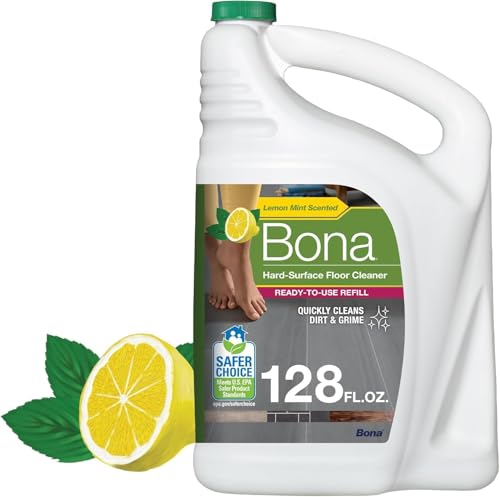
Bona Multi-Surface Floor Cleaner Refill (Lemon Mint)
This 128-ounce refill is the volume play for households already committed to the Bona system. Lemon mint is lighter than most commercial fragrances, and owners describe it as fresh without being overpowering. Per usable ounce, this is the most economical Bona option available, especially when paired with the spray bottle. The obvious dependency is the dispenser: without the separate spray bottle, you are pouring from a large jug, which defeats the convenience argument. Skip this if you do not already own a Bona-compatible dispenser and are not willing to buy one.
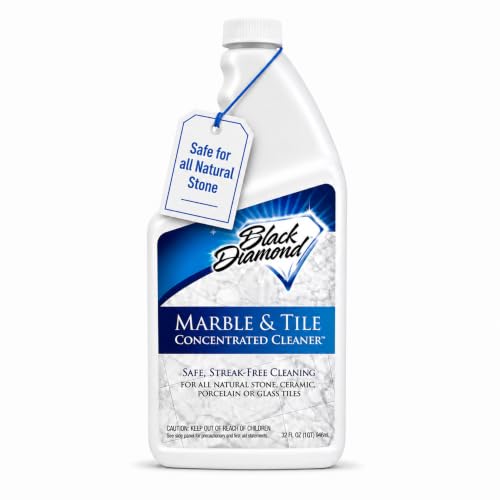
Black Diamond Stoneworks Marble & Tile (1 Quart)
This concentrate targets a specific audience: people who installed real marble, travertine, or limestone and cannot risk etching from generic cleaners. The no-rinse formulation saves meaningful time on large stone floors, and owner reviews confirm it lifts soap scum from grout without dulling polished surfaces. Two real drawbacks: the price per quart is higher than any general-purpose option here, and frequent reorder cycles add up if your household mops several times a week. Skip this if your floors are porcelain, ceramic, or vinyl and you do not need stone-specific pH chemistry.
Granite Gold Stone & Tile Floor Cleaner
Granite Gold already has trust in the stone-sealant space, and this 32-ounce concentrate extends that reputation into floor cleaning at a price under seven dollars. Owners with granite or marble floors report it cleans effectively without the oily buildup that generic all-purpose products leave on polished stone. The concentration dilutes well, so the small bottle lasts longer than the size suggests. The recurring negative note from some long-time users is a slight residue on non-stone surfaces like porcelain or vinyl that plain-water rinsing removes but no-rinse use does not. Skip this if your tile mix includes vinyl plank or matte porcelain where zero residue matters.
Black Diamond Stoneworks Marble & Tile (1 Gallon)
For large homes, rental properties, or anyone mopping multiple tile areas weekly, the gallon size of Black Diamond’s stone-safe concentrate is the most practical option. The manufacturer lists compatibility across ceramic, porcelain, granite, natural stone, vinyl, and brick, making it a single-bottle solution for mixed-material floors. Per-use cost drops significantly compared to the quart version. The trade-off is the highest upfront price in this list and the awkward size of a gallon jug for storage under a typical sink. Skip this if you mop monthly or live in a condo with limited closet space and do not need the stone-specific formula at volume.
Buying Guide
pH Level and Material Compatibility
The single most important specification on a tile floor cleaner label is pH. Sealed grout and natural stone (marble, travertine, limestone) are vulnerable to acidic formulas below pH 6, which etch the surface permanently. Highly alkaline cleaners above pH 10 gradually break down water-based sealants, leaving grout porous and stain-prone. Aim for a pH between 6 and 8 for maximum material safety across the widest range of floor types. If you have polished porcelain only, a slightly acidic cleaner is acceptable, but neutral covers everything without risk.
Dilution Ratio and True Cost Per Use
A product listed at five dollars can cost more per mop session than one at fifteen dollars if the dilution ratio is weak. Look for the manufacturer-recommended mix: a cleaner diluted at 1 part to 64 parts water stretches a gallon jug far beyond what a 32-ounce ready-to-spray bottle can achieve. To compare value, divide the listed price by the total usable ounces after dilution. Concentrates that mix at 1:128 (like some industrial formulas) deliver the lowest per-use cost, while no-dilution sprays trade value for convenience.
No-Rinse Formulas and Residue
True no-rinse means you mop once and the floor is dry and walkable without a second water pass. The practical test is whether the formula leaves any film after evaporation. Owners of high-gloss or dark tile are most sensitive to this: even a faint haze shows up under raking sunlight. If a product claims no-rinse but reviews mention dulling, sticky spots, or a waxy feel, it likely contains surfactants that exceed what the water carrier can fully evaporate. For homes with young children crawling on tile, this matters doubly.
Our Verdict
The top overall pick is Zep Neutral pH Industrial Floor Cleaner. Its neutral formula is safe on nearly every floor material, the gallon dilution ratio delivers the lowest true cost per mop, and owner feedback consistently notes it leaves no residue even on dark polished porcelain. For a budget entry, Mr. Clean 2X Multi Surface for under $10 is the lowest listed price and works well for mixed-material households that do not have natural stone. However, if your home features genuine marble or limestone, skip both recommendations and buy Black Diamond Stoneworks Marble & Tile 1 Quart instead: the stone-specific pH protection justifies the higher price and eliminates etching risk entirely.
FAQ
Can I use a regular all-purpose cleaner on tile floors?
On ceramic or porcelain with sealed grout, a mild all-purpose cleaner works occasionally, but repeated use of alkaline or acidic formulas degrades the sealant over months. Stone-specific or neutral-pH products extend the life of your grout and finish significantly.
How often should tile floors be deep-cleaned versus mopped?
Daily or weekly mopping with a neutral cleaner handles routine soil. A deeper clean with a slightly stronger dilution or a specialized grout product is reasonable once a month in high-traffic areas like kitchens and entryways.
Do I need different cleaners for different tile types?
Not if you choose a pH-neutral formula rated for all surfaces. A single neutral cleaner like Zep or Bona handles ceramic, porcelain, vinyl, and most sealed stone, reducing the number of bottles you store under the sink.
Is a concentrate cheaper than a ready-to-spray bottle?
Almost always on a per-use basis. A gallon concentrate diluted at 1:64 yields hundreds of usable mop-bucket ounces for a fraction of the cost of buying individual spray bottles repeatedly. The trade-off is the convenience of pre-mixed formulas.

Write Your Review
No reviews yet. Be the first to share your experience!