
Key takeaways
- Pros: One-can cost is the lowest in this category; true epoxy formulation bonds to enameled metal without primer.
- Con: A single can covers only a limited area, making it impractical for full-door repaints.
What's inside
Scratched, chipped, or faded refrigerator surfaces are one of those problems that make an otherwise functional kitchen look neglected. The fix used to require professional refinishing or full replacement, but appliance-specific paints have closed that gap. The challenge is that not every product labeled “appliance paint” delivers the same durability, finish quality, or ease of application. A paint that chips within months wastes your weekend and your money, while the right formulation bonds to enameled metal and resists the thermal cycling a refrigerator exterior undergoes daily.
What separates the best appliance paint refrigerators from mediocre options comes down to formulation chemistry, adhesion preparation requirements, and finish longevity. Epoxy-based sprays cure harder than acrylics but demand more precise application. Water-based paints with included tool kits lower the skill barrier for interior surfaces. This roundup compares published specs and owner feedback across eight products that consistently surface in buyer discussions, helping you match the right solution to your specific surface and damage type.
As an Amazon Associate we earn from qualifying purchases at no extra cost to you.




Quick Picks
| Product | Best for | Price |
|---|---|---|
| Rust-Oleum Appliance Epoxy White Spray Paint | Small exterior touch-ups on budget | $6.88 |
| Rust-Oleum Appliance Epoxy Gloss White Paint | Interior appliance surfaces needing a brush-applied gloss | $27.69 |
| DWIL Appliance Paint for Refrigerator (White, 32 oz) | Full interior repaints with included tools | $35.99 |
| Rust-Oleum Appliance Touch-Up White Paint | Nicks and small chips requiring no spray equipment | $6.29 |
| Appliance Touch Up Paint Pen (1.5oz) | Pinpoint scratch repair on multiple appliance types | $9.99 |
| Rust-Oleum Appliance Epoxy Black Spray Paint | Dark-colored appliance exteriors | $6.88 |
| Rust-Oleum Appliance Epoxy White Spray Paint (Multi-Pack) | Full-door coverage or multi-appliance projects | $35.38 |
| DWIL Appliance Paint for Refrigerator (Black, 32 oz) | Full interior repaints on dark appliances | $32.99 |
How We Picked
We evaluated these products on four criteria: adhesion and finish durability as described in manufacturer specs and confirmed through owner reports over time, application method and skill requirement relative to the damage type being addressed, surface compatibility (whether the product handles enameled metal, plastic interior panels, or both), and value per usable coverage area. Price alone never determined placement; a cheaper can that requires three coats or fails in six months loses to a pricier option that cures hard with one application.
The 8 Best Appliance Paint Refrigerators in 2026
Rust-Oleum Appliance Epoxy White Spray Paint
This single-can spray is the go-to entry point for homeowners fixing a small chip or scuff on a white refrigerator door without committing to a full refinishing project. The epoxy formula cures to a hard, appliance-grade finish that resists the daily handling and minor temperature shifts a refrigerator exterior experiences. At under seven dollars, it carries minimal financial risk for a test application.
- Pros: One-can cost is the lowest in this category; true epoxy formulation bonds to enameled metal without primer.
- Con: A single can covers only a limited area, making it impractical for full-door repaints.
Skip this if your damage spans more than a small spot or if you need a matching color beyond white.
Rust-Oleum Appliance Epoxy Gloss White Paint
Designed for brush or roller application on appliance interiors, this product serves owners who need to refresh a refrigerator’s inner walls, shelves area, or door liner rather than the exterior panel. The gloss finish matches factory interior surfaces, and the epoxy base resists moisture and mildew better than standard acrylics in a damp environment.
- Pros: Applicable with basic brushes for areas where spraying is impractical; gloss sheen blends well with factory interior coatings.
- Con: Higher per-unit cost than spray options and requires more surface prep to avoid brush marks.
Skip this if your project is strictly exterior or if you lack patience for multi-coat brush work.
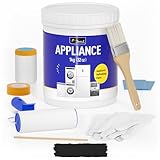
DWIL Appliance Paint for Refrigerator — White, 32 oz, with Tools
This kit targets the buyer tackling a full refrigerator interior overhaul and wants everything in one package. The water-based formula applies to both plastic and metal surfaces found inside dishwashers, dryers, microwaves, and refrigerators, making it versatile for owners refurbishing multiple small appliances during a single project. The included tools remove guesswork about brushes or rollers.
- Pros: Water-based with low odor, making indoor application more tolerable; included tool set adds value beyond paint alone.
- Con: 32 oz volume may feel excessive for a single small-appliance repair, pushing the per-project cost higher than targeted alternatives.
Skip this if you only need to fix one small chip or prefer spray application for speed.
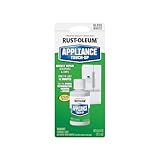
Rust-Oleum Appliance Touch-Up White Paint
Essentially a precision applicator for micro-damage, this product exists for the person who spots a fresh ding on a brand-new appliance and wants an immediate, no-mess fix. No spray equipment, no masking, no ventilation concerns. The small volume keeps it inexpensive and easy to store in a kitchen drawer for future dings.
- Pros: Cheapest option in this roundup at just over six dollars; zero equipment required for application.
- Con: Tiny quantity means coverage is restricted to very small spots; color-matching to aged or off-white appliances can look patchy.
Skip this if your damage is larger than a coin or if the surrounding surface has yellowed over time.
Appliance Touch Up Paint Pen — 1.5 oz, High-Gloss Acrylic
The pen format appeals to owners who want a marker-style application for scratches on refrigerators, dishwashers, dryers, microwaves, and washing machines. Acrylic enamel provides a decent gloss match on factory surfaces, and the 1.5 oz volume sits between a touch-up bottle and a full can, offering some versatility without bulk.
- Pros: Pen tip allows precise application along scratches without overspray; works across multiple appliance types in one product.
- Con: Acrylic base is softer than epoxy and may not hold up as well in high-heat or high-moisture zones like oven interiors.
Skip this if durability on harsh surfaces is your priority or if you need color beyond standard white.
Rust-Oleum Appliance Epoxy Black Spray Paint
Black appliance exteriors face a visible disadvantage when scratched: dark surfaces show white primer and bare metal far more readily than light ones. This spray addresses that problem directly, offering the same epoxy chemistry as its white counterpart but formulated for dark panels common on modern refrigerators and ranges.
- Pros: Same proven epoxy adhesion as the white version at the same low price point; black coverage hides primer marks effectively.
- Con: A single can covers limited area, and black overspray on adjacent surfaces is far more noticeable than white overspray.
Skip this if you are unsure about masking techniques or if your appliance is a different shade of dark.
Rust-Oleum Appliance Epoxy White Spray Paint — Multi-Pack
This larger quantity option serves the serious DIYer repainting a full refrigerator door, an entire washer panel, or multiple appliances in one session. Per-can cost drops compared to buying singles, and having backup cans avoids running short mid-project when coverage estimates are uncertain.
- Pros: Lower effective cost per can than single purchases; enough supply for large surfaces with margin for second coats.
- Con: Higher upfront spend may not justify the purchase if your project ends up being smaller than anticipated.
Skip this if your damage is localized or you are new to spray application and want to test technique cheaply first.
DWIL Appliance Paint for Refrigerator — Black, 32 oz, with Tools
The black companion to the white DWIL kit serves owners refinishing interior panels of dark appliances or those who prefer water-based application over spray for indoor use. Surface compatibility spans plastic and metal, making it suitable for refrigerator interiors, dishwasher walls, and microwave cavities where spraying would be impractical.
- Pros: Included tools and generous volume cover multiple interior projects; water-based formula avoids solvent odors in enclosed spaces.
- Con: Price sits just under the white version despite identical kit contents, suggesting color-specific pricing that may not reflect performance differences.
Skip this if your appliance interior is white or if you already own compatible brushes and applicators.
Buying Guide
Epoxy vs. Acrylic vs. Water-Based: Matching Chemistry to Surface
Epoxy sprays cure hardest and resist heat and moisture best, making them ideal for exterior panels that get touched, bumped, and exposed to kitchen humidity. Acrylic pens and touch-up bottles are convenient but softer, suited for low-traffic spots where appearance matters more than wear resistance. Water-based interior paints like the DWIL options bridge a middle ground: easier to apply without ventilation gear while still bonding to both plastic and metal surfaces found inside appliances.
Coverage Volume Relative to Damage Area
A single spray can typically covers a patch the size of a dinner plate in two thin coats. If you are refinishing a full refrigerator door, a single can will not suffice, and running short mid-project leaves visible mismatched edges. Match the container size to your damage before purchasing: small chips call for touch-up bottles or pens, while panel-wide work justifies multi-packs or the 32 oz interior kits. Overbuying on a tiny repair wastes money; underbuying on a large one creates an unsolvable color line.
Application Method and Skill Barrier
Spraying requires masking, ventilation, steady hand control, and distance management to avoid drips. Brush application demands even strokes and patience for flash-off between coats. Pen and small-bottle formats have the lowest skill barrier but cover the least area. If you have never used a spray can on a vertical surface, practice on cardboard first or choose the brush-applied or pen format to avoid a worse outcome than the original scratch.
Our Verdict
Our top pick is the DWIL Appliance Paint for Refrigerator in White with tools: it covers the widest range of interior surfaces, includes everything needed to apply it, and the water-based formula removes the odor and ventilation concerns that make spray projects stressful indoors. Our budget pick is the Rust-Oleum Appliance Touch-Up White Paint at $6.29 — the cheapest path to fixing a small chip with zero equipment and zero learning curve. One condition where another product wins: if you are refinishing an entire refrigerator door, the multi-pack Rust-Oleum spray at $35.38 delivers more usable coverage than any single can or bottle in this list and remains epoxy-hard for daily wear.
FAQ
Do I need to sand before applying appliance paint?
Light abrasion with fine-grit sandpaper (400 or higher) improves adhesion on glossy enameled surfaces by giving the paint something to grip. Most manufacturers recommend it, and skipping this step is the primary reason owners report premature peeling.
Can appliance paint be used on the inside of a refrigerator?
Yes, but choose a product rated for interior surfaces. Water-based options like the DWIL kits are specifically formulated for plastic and metal interior panels, while spray epoxies are generally intended for exterior use due to overspray concerns in enclosed spaces.
How long does appliance paint take to fully cure?
Surface-dry times range from thirty minutes to two hours depending on the formulation, but full hardness typically develops over twenty-four hours or longer. Avoid closing the door or placing items against the painted surface until the manufacturer’s stated cure time has passed.
Will appliance paint yellow over time?
Epoxy-based formulas are more resistant to yellowing than acrylics, but all whites exposed to UV and heat will shift slightly over several years. Keeping painted surfaces out of direct sunlight slows this process noticeably.







Write Your Review
No reviews yet. Be the first to share your experience!