
Our Short List of 3
All 5 Picks at a Glance
| Product | Specs | Action |
|---|---|---|
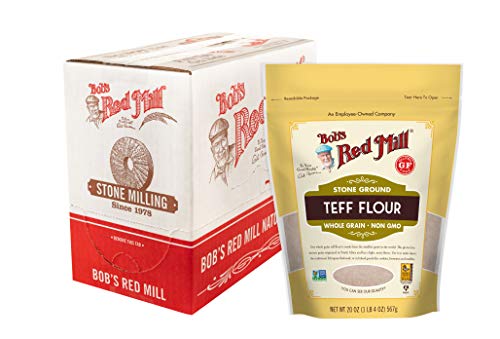 1. Bob’s Red Mill Teff Flour, 20 oz (Pack of 4) | Check price on Amazon | |
 2. Anthony’s Brown Teff Flour, 5 lb | Check price on Amazon | |
 3. Maskal Teff Ivory Teff Flour, 16 oz | Check price on Amazon | |
 4. Judee’s Ivory Teff Flour, 5 lb | Check price on Amazon | |
 5. Haldeman Mills Whole Grain African Teff Flour, 2 lb (Brown Teff) | Check price on Amazon |
Key takeaways
- Compare the best budget teff flour picks for injera, flatbreads, and gluten-free baking, with brown and ivory options, bag sizes, and grind notes.
Teff flour is the pantry staple behind injera, the soft, spongy flatbread served at nearly every Ethiopian meal, and it has quietly become a favorite for gluten-free baking well beyond that tradition. The flour is milled from teff, a tiny ancient grain grown in Ethiopia and Eritrea for thousands of years, and it brings a mild, nutty flavor and a fine, soft texture to pancakes, muffins, quick breads, and porridge. Because teff is naturally gluten free and sold as a whole grain flour, it appeals to home cooks who want more variety than rice flour or starch blends can offer.
The good news is that a bag of teff flour does not have to strain a grocery budget. Several dependable brands sell plain, single-ingredient teff flour in sizes that range from a one-pound starter bag to five-pound sacks for regular bakers. This guide compares five budget-friendly options sold on Amazon, covering both brown teff, which tastes earthier and more robust, and ivory teff, which is milder and slightly sweet. Each pick is a plain teff flour with nothing blended in, so what you see on the ingredient list is exactly what goes into your batter.
As an Amazon Associate, we earn from qualifying purchases.
How to Choose Budget Teff Flour
Start with the color. Brown teff flour has a deeper, earthier flavor that stands up well in injera, hearty flatbreads, and chocolate baked goods. Ivory teff flour is lighter in color and gentler in taste, which makes it a comfortable choice for pancakes, waffles, cookies, and porridge where a strong grain flavor is not the goal. Neither is better in absolute terms, so match the flour to the recipes you cook most often.
Bag size is the second decision. A one-pound or twenty-ounce bag suits a first attempt at injera or an occasional weekend bake, while two-pound and five-pound bags lower the cost per bake for households that use teff flour weekly. Teff flour keeps well in a sealed container in a cool pantry, and many brands use resealable bags that make storage simple.
Finally, check the label details that matter to your kitchen. Every flour in this guide is a single-ingredient product made from whole grain teff, and each one is described by its maker as gluten free. Some brands batch test for gluten, some mill in dedicated facilities, and some grow their teff in the United States while others import grain from Ethiopia. Those sourcing and handling notes are listed in each section below so you can compare them side by side.
1. Bob’s Red Mill Teff Flour, 20 oz (Pack of 4)
Bob’s Red Mill is often the first teff flour home cooks meet, and this pack of four twenty-ounce bags suits kitchens that bake with teff on a regular schedule. The flour is stone ground from whole grain teff, and the brand states that its gluten free products are batch tested in its quality control laboratory using an ELISA gluten assay. The ingredient list contains nothing but whole grain teff, which keeps the flour appropriate for traditional injera batter as well as everyday baking.
The flavor is the classic brown teff profile: mild, slightly nutty, and earthy enough to add character to flatbreads, muffins, and waffles without overwhelming them. Bob’s Red Mill suggests swapping teff flour for a portion of the white flour in baked goods to add nutrition and a distinctive taste, and the bag even carries an overnight injera recipe for cooks who want to start with the traditional preparation.
For budget planning, the four-bag format spreads the purchase across months of baking and keeps an unopened spare in the pantry. Each bag is resealable, which helps the flour stay fresh between uses.
2. Anthony’s Brown Teff Flour, 5 lb
Anthony’s packages its brown teff flour in a single five-pound bag, a format aimed at bakers who go through teff flour quickly. The flour is whole grain, batch tested and verified gluten free, and made with no added ingredients, so the bag holds plain brown teff flour and nothing else. It is also described as non GMO and vegan.
Brown teff is the traditional choice for injera, and this flour is positioned for exactly that job, along with pancakes, waffles, flatbreads, and porridge. Its taste is nutty, earthy, and slightly sweet, and the fine grind blends smoothly into batters. In bread baking, teff flour produces a denser, richer crumb, which suits rustic loaves and hearty quick breads.
For households that make injera every week or bake gluten free goods in volume, the five-pound bag is the straightforward budget play: one purchase, a long supply, and no need to reorder small bags every few weeks.
3. Maskal Teff Ivory Teff Flour, 16 oz
Maskal Teff comes from The Teff Company, a grower based in Idaho that works directly with farmers in the western United States and runs a dedicated teff-only facility. That single-grain focus is the headline here: the company handles nothing but teff, which reduces the chance of contact with other grains during milling.
The ivory variety is the mildest-tasting teff flour in this guide. Its flavor is gentle and slightly sweet, with a chestnut-like note that fits porridge, pancakes, waffles, and dessert baking where brown teff might taste too assertive. It also works for a lighter style of injera for cooks who prefer a softer flavor in the finished flatbread.
At sixteen ounces, this is the smallest bag in the roundup, which makes it the lowest-commitment way to try ivory teff for the first time. If the mild profile wins you over, the same brand sells larger formats, but the one-pound bag keeps the first purchase small and affordable.
4. Judee’s Ivory Teff Flour, 5 lb
Judee’s offers the bulk counterpart to the small ivory bag above: five pounds of ivory teff flour from a brand that packages its products in a gluten free and nut free facility in the United States. For shoppers managing multiple allergies in one household, that facility detail is a meaningful point of comparison.
The flour itself is a single-ingredient ivory teff flour with a mild flavor that the brand suggests for quick teff bread, injera, muffins, pancakes, and cookies. Judee’s also notes the flour’s resistant starch content, a natural component of teff that the brand highlights for everyday cooking. Because ivory teff is the gentler-tasting type, this bag suits family baking where one flour has to please both adults and children.
Five pounds is a lot of flour, so this pick makes the most sense for committed gluten free bakers who already know ivory teff works in their recipes. Stored in a sealed container, it covers months of pancakes, flatbreads, and baked goods at a steady per-bake cost.
5. Haldeman Mills Whole Grain African Teff Flour, 2 lb (Brown Teff)
Haldeman Mills sells a two-pound package of whole grain brown teff flour under its African teff flour line, a middle size that sits comfortably between the one-pound starter bags and the five-pound sacks. The flour is presented for both baking and general cooking, and the brand highlights its natural content of magnesium, iron, zinc, vitamin C, vitamin B6, protein, and fiber.
The brown teff grind provides structure to breads and works in the traditional injera preparation, and its robust, earthy flavor pairs well with spiced dishes and hearty stews served over flatbread. A two-pound bag holds enough flour for several batches of injera or a run of muffins and quick breads, which makes it a practical size for a cook who is past the sampling stage but not ready to store five pounds.
For budget shoppers, this package is a sensible middle step: a moderate quantity, a straightforward whole grain ingredient list, and a price of entry that stays modest while you decide whether teff flour earns a permanent place in the pantry.
Frequently Asked Questions
What is the difference between brown and ivory teff flour?
Both come from the same grain and are nutritionally similar whole grain flours. Brown teff has an earthier, more robust flavor that suits injera, hearty flatbreads, and chocolate baked goods, while ivory teff is milder and slightly sweet, which fits pancakes, porridge, waffles, and lighter baking.
Can teff flour replace wheat flour in regular recipes?
Teff flour is naturally gluten free, so it does not form the elastic structure that wheat flour provides. It works well on its own in flatbreads, pancakes, and porridge, and many bakers swap it for a portion of the flour in muffins, cookies, and quick breads. Yeast breads usually need a blend or a recipe written for gluten free flour.
How should teff flour be stored at home?
Keep it in its resealable bag or move it to an airtight container, then store it in a cool, dry pantry away from strong odors. Whole grain flours contain natural grain oils, so for storage beyond a few months, the refrigerator or freezer helps the flour stay fresh.
Is teff flour suitable for making injera?
Yes. Injera is the traditional use for teff flour, and every flour in this guide is a plain, single-ingredient teff flour of the kind used for injera batter. Brown teff gives the classic deep flavor, while ivory teff produces a milder flatbread, and both are used in Ethiopian and Eritrean home cooking.
Product and ASIN Reference
| Product | ASIN |
|---|---|
| Bob’s Red Mill Teff Flour, 20 oz (Pack of 4) | B07XMD9WT5 |
| Anthony’s Brown Teff Flour, 5 lb | B00J83468M |
| Maskal Teff Ivory Teff Flour, 16 oz | B00C0TE6Z4 |
| Judee’s Ivory Teff Flour, 5 lb | B099756KPC |
| Haldeman Mills Whole Grain African Teff Flour, 2 lb (Brown Teff) | B00XZPFK0C |





Write Your Review
No reviews yet. Be the first to share your experience!