
Our Short List of 3
All 5 Picks at a Glance
| Product | Specs | Action |
|---|---|---|
 1. Kikkoman Manjo Aji-Mirin, 10 Fl Oz | Check price on Amazon | |
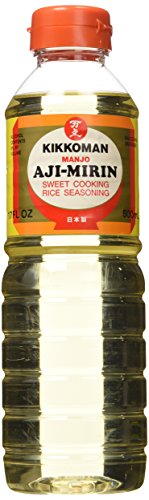 2. Kikkoman Mirin, 17 Fl Oz | Check price on Amazon | |
 3. Eden Mirin, 10.1 Fl Oz | Check price on Amazon | |
 4. Soeos Mirin, Japanese Cooking Wine, 16.9 Fl Oz (Pack of 1) | Check price on Amazon | |
 5. 52USA Mirin Cooking Wine, 16.9 Fl Oz (Pack of 2) | Check price on Amazon |
Key takeaways
- Compare the best budget mirin bottles for daily cooking, from Kikkoman aji-mirin to traditional Eden, plus value picks for sauces, glazes and marinades.
Mirin is the quiet workhorse of Japanese home cooking. This sweet rice cooking wine rounds out soy-based sauces, adds a gentle gloss to glazes, softens sharp flavors in simmered dishes, and helps teriyaki, sukiyaki, and noodle broths taste balanced instead of harsh. A single bottle lasts through many meals because most recipes call for only a spoonful or two at a time, which makes it one of the most economical seasonings a kitchen can stock.
The challenge is that the word mirin covers several different products. True hon-mirin is a brewed rice wine with natural sweetness from fermentation, while many affordable bottles are mirin-style seasonings built on glucose or corn syrup with added alcohol and salt. Both types have a place in everyday cooking, but they behave a little differently and their labels tell you which one you are getting. Reading the ingredient list is the fastest way to know.
This guide compares five budget-friendly mirin bottles sold on Amazon, covering a classic small bottle for occasional use, a larger everyday size, a traditionally brewed option, and two value picks in bigger formats. Each entry lists the specs exactly as the seller states them, so you can match a bottle to how often you cook Japanese dishes and how much sweetness your recipes need.
As an Amazon Associate, we earn from qualifying purchases.
How to Choose a Budget Mirin
Start with the ingredient list. Bottles that lead with rice, water, and koji are closer to traditional brewed mirin, and their sweetness comes from fermentation. Bottles that lead with glucose syrup or corn syrup are mirin-style seasonings; they are usually sweeter per spoonful, keep well, and cost less per ounce, which is why they dominate the budget shelf. Neither is automatically better, but a syrup-based bottle can push a delicately seasoned broth too sweet if you pour with a heavy hand.
Next, consider alcohol and salt. Traditional mirin contains alcohol that cooks off during heating and carries flavor into food. Many seasoning-style bottles include a small amount of added salt, which means you may want to ease back on soy sauce or other salty ingredients in the same dish. If a recipe was written for hon-mirin and you are using a salted seasoning, taste before adding extra salt at the end.
Bottle size matters more than it first appears. A 10-ounce bottle suits cooks who make teriyaki or noodle soup a few times a month. Households that cook Japanese dishes weekly will finish that bottle quickly, and a 17-ounce bottle or a two-pack usually works out as the smarter budget move. Mirin keeps well in a cool pantry, and the Kikkoman sell sheet for its aji-mirin recommends refrigerating after opening to maintain freshness, a simple habit that protects flavor in larger bottles.
Finally, think about the dishes you make most. Glazes and teriyaki reward a sweeter, syrup-leaning mirin because the sugars help the sauce cling and shine. Clear soups and simmered vegetables benefit from a gentler, brewed style that sweetens without coating the palate. Matching the bottle to your regular menu matters more than chasing any single premium label.
1. Kikkoman Manjo Aji-Mirin, 10 Fl Oz
Kikkoman describes its Manjo Aji-Mirin as a sweet golden syrup made from sake and other select ingredients, and calls mirin one of the cornerstones of Japanese cuisine. That positioning fits this bottle well: it is the standard, widely stocked aji-mirin that many published recipes quietly assume you are using when they call for mirin by the tablespoon.
In the kitchen, this is a dependable all-rounder. It is the key ingredient in scratch-made teriyaki sauce according to Kikkoman, and it also works in dressings, glazes, sauces, soups, and stews. The syrup base gives glazes a visible shine, and the added salt in the formula means it seasons as it sweetens, which keeps weeknight cooking simple.
The 10-ounce size is the right scale for smaller households and for anyone buying mirin for the first time. It is large enough to cover months of occasional use without committing pantry space to a big bottle, and its familiar flavor profile makes it a safe reference point before exploring brewed or organic styles.
2. Kikkoman Mirin, 17 Fl Oz
This larger Kikkoman bottle covers the same everyday ground as the 10-ounce aji-mirin but in a 17-ounce format aimed at cooks who reach for mirin constantly. The listed ingredients follow the same seasoning-style pattern, with glucose syrup first, then water, alcohol, rice, corn syrup, and salt, so the flavor direction is sweet, glossy, and ready to blend into sauces.
For families that batch-cook teriyaki, simmer nikujaga, or keep a bottle of homemade noodle broth base in rotation, the bigger bottle removes the annoyance of running out mid-recipe. Per ounce, larger formats are where the budget value usually sits, and this one stays within the same trusted brand rather than asking you to gamble on an unknown label.
Choose this size if mirin already has a fixed place in your cooking routine. It pours into the same recipes as the smaller bottle, stores in the pantry the same way, and simply lasts longer between purchases, which is the entire point of a budget pick at this end of the range.
3. Eden Mirin, 10.1 Fl Oz
Eden takes the traditional route. Its mirin is made in Japan from Lundberg Family Farms organic brown rice, washed and steamed for several hours before fermentation, and the ingredient list is strikingly short: water, rice, sea salt, and koji. There are no syrups at the front of the label, because the sweetness here comes from koji-fermented rice in the form of maltose.
Eden describes mirin as the left hand of Japanese cooking, with soy sauce as the right, and positions this bottle as an essential part of dashi, the kombu, shoyu, and mirin broth base behind soups, stews, and noodle broths. The listed recommended uses also cover cooking, seasoning, marinades, sushi rice, and teriyaki sauce. Eden notes the mirin contains less than 10 percent alcohol, which evaporates when heated in cooking, and that a small amount of added salt is part of the ajino-haha style.
This is the pick for cooks who read labels closely and want a brewed flavor rather than a syrup-led one. The taste is gentler and less aggressively sweet, which suits clear broths and simmered dishes where a heavy glaze character would be out of place.
4. Soeos Mirin, Japanese Cooking Wine, 16.9 Fl Oz (Pack of 1)
Soeos explains mirin plainly in its listing: it is a type of rice wine, comparable to sake but with more sugar, and it is used across marinades, soups, stews, and sauces. The brand says its mirin is made with premium short-grain rice polished for the purpose and koji grown using traditional methods, and it highlights the glossy finish mirin gives to finished dishes.
The 16.9-ounce bottle lands in a useful middle ground. It is noticeably larger than the small 10-ounce bottles, so it suits regular cooking, yet it remains a single standard bottle that fits a pantry shelf without any storage planning. The flavor profile the listing describes is sweet with moderate acidity, which is a practical balance for stir-fries and pan sauces.
For shoppers who want to step up from the smallest bottles without moving to a multipack, this is a straightforward choice. It covers the same teriyaki, glaze, and marinade duties, and the larger volume means fewer reorders across a season of regular Japanese cooking.
5. 52USA Mirin Cooking Wine, 16.9 Fl Oz (Pack of 2)
The 52USA listing presents this as a red rice cooking wine and seasoning, sold as two 500 ml bottles. Its ingredient list starts with water, rice, and rice koji, followed by alcohol, salt, and white granulated sugar, and the brand markets the recipe as a less-sugar, less-calorie take on mirin while keeping the natural sugar character that mirin cooking relies on.
Two bottles change how you stock the pantry. One can live at the front for daily cooking while the second waits sealed, which suits households that cook Japanese dishes several times a week or that season big batches of sauce at once. The listing suggests using one to two tablespoons in dipping sauces for dishes such as noodles, sashimi, tonkatsu, and tempura.
The listed uses are broad: homemade sauces, marinades, glazes, salad dressings, sushi rice, and ramen noodles. If your cooking leans on mirin as a background seasoning in many dishes rather than a star ingredient in a few, this two-pack is the most volume-focused budget option in this guide.
Frequently Asked Questions
What is the difference between hon-mirin and mirin-style seasoning?
Hon-mirin is a brewed sweet rice wine whose sugars develop during fermentation, and it contains alcohol that cooks off in the pan. Mirin-style seasonings, often labeled aji-mirin, are built on glucose or corn syrup with added alcohol and salt. Both sweeten and glaze, but seasoning styles tend to taste sweeter per spoonful, so it helps to measure rather than pour freely when swapping one for the other.
How much mirin should be used in a typical recipe?
Most recipes call for one or two tablespoons at a time. The 52USA listing suggests one to two tablespoons in dipping sauces, and Kikkoman lists a two-tablespoon serving size for its aji-mirin. Because a little goes a long way, even a 10-ounce bottle covers many meals, which is why mirin is such a budget-friendly pantry staple.
Does mirin need to be refrigerated after opening?
Mirin stores well in a cool, dark pantry, but refrigeration after opening helps protect flavor over time. Kikkoman’s product information for its Manjo Aji-Mirin specifically recommends refrigerating after opening to maintain freshness. That advice is worth following with larger bottles and two-packs, since they stay open or in storage the longest.
What can be substituted for mirin in a pinch?
Dry sake with a small pinch of sugar is the closest common substitute, because it mimics mirin’s balance of alcohol and sweetness. In an emergency, a splash of water with sugar can sweeten a sauce, but it will not provide the depth or gloss that fermented rice gives. Given how little each recipe uses, keeping one real bottle on hand is usually simpler than substituting.
Product and ASIN Reference
| Product | ASIN |
|---|---|
| Kikkoman Manjo Aji-Mirin, 10 Fl Oz | B0002YB20Q |
| Kikkoman Mirin, 17 Fl Oz | B0002YB210 |
| Eden Mirin, 10.1 Fl Oz | B000QSTJTE |
| Soeos Mirin, Japanese Cooking Wine, 16.9 Fl Oz (Pack of 1) | B0BWGLQ4MT |
| 52USA Mirin Cooking Wine, 16.9 Fl Oz (Pack of 2) | B09TM6Y65H |








Write Your Review
No reviews yet. Be the first to share your experience!